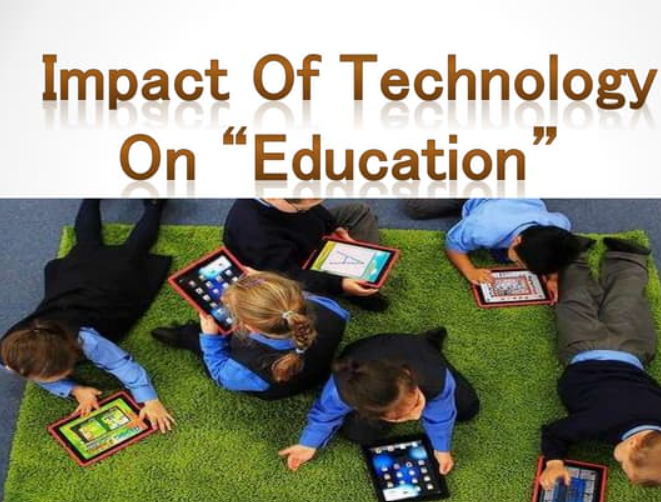
Technology has transformed the landscape of modern education, making learning more accessible, interactive, and efficient. From online courses and educational apps to virtual classrooms and digital resources, technology has reshaped how students acquire knowledge and skills.
While technology offers numerous benefits, it also presents challenges that require careful management. Understanding its impact helps educators, students, and parents make the most of technological advancements in education.
Benefits of Technology in Education
1. Enhanced Accessibility
Online learning platforms, digital textbooks, and virtual classrooms allow students to access education from anywhere, breaking geographical barriers.
2. Personalized Learning
Adaptive learning software and educational apps tailor lessons to individual learning styles, helping students progress at their own pace.
3. Interactive Learning
Multimedia tools, simulations, and gamified learning make lessons more engaging, improving understanding and retention.
4. Collaboration Opportunities
Technology enables communication and collaboration through discussion forums, group projects, and online meetings, connecting students globally.
5. Efficient Resource Management
Digital tools reduce the need for physical materials, streamline grading, and simplify lesson planning for educators.
Challenges of Technology in Education
1. Digital Distraction
Excessive use of devices for non-educational purposes can reduce focus and productivity.
2. Inequality of Access
Not all students have equal access to devices or the internet, creating a digital divide.
3. Overreliance on Technology
Excessive dependence on technology may reduce critical thinking, problem-solving skills, and face-to-face communication abilities.
4. Cybersecurity and Privacy Concerns
Storing personal information online requires attention to data security and privacy measures.
How Technology Enhances Learning Outcomes
- Visual Learning: Videos, animations, and infographics clarify complex concepts.
- Interactive Exercises: Quizzes and games provide instant feedback for better understanding.
- Access to Experts: Online lectures and webinars connect students with specialists worldwide.
- Continuous Learning: Students can access materials anytime, encouraging self-paced study.
- Tracking Progress: Learning management systems help educators monitor student performance and adapt instruction.
Best Practices for Integrating Technology
- Blend Traditional and Digital Learning: Combine classroom teaching with online tools for a balanced approach.
- Set Clear Guidelines: Encourage responsible device use and minimize distractions.
- Ensure Accessibility: Provide resources for all students, regardless of socioeconomic status.
- Encourage Critical Thinking: Use technology to enhance problem-solving, not replace it.
- Train Educators: Teachers should receive training to use educational technologies effectively.
Conclusion
Technology has revolutionized modern education by improving accessibility, engagement, and efficiency. While it comes with challenges, careful and balanced integration ensures that students reap its full benefits.
By leveraging technology responsibly, educators and learners can enhance understanding, foster collaboration, and prepare for a future where digital literacy is essential. Embracing educational technology is key to achieving better learning outcomes in the 21st century.