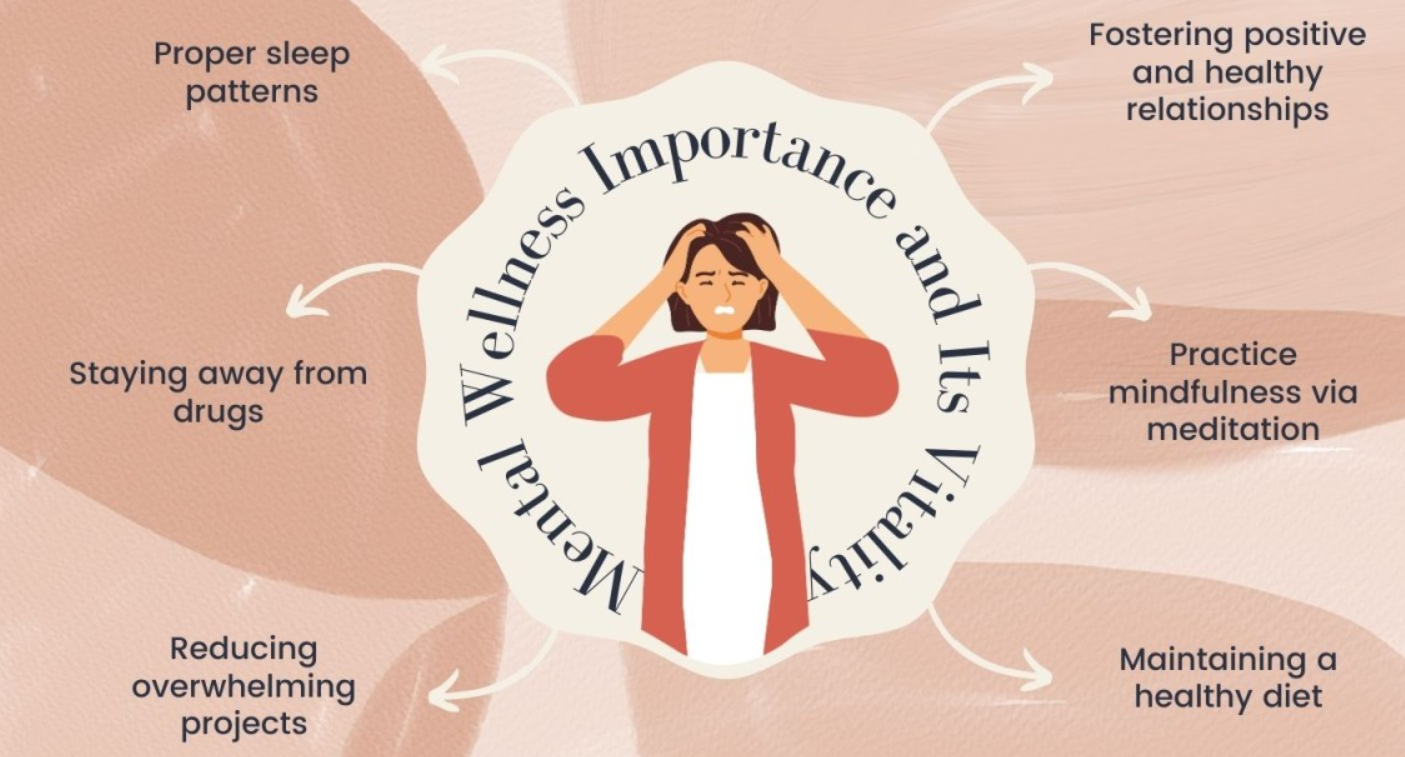
Mental health is a vital component of overall well-being. It affects how we think, feel, and behave in daily life. Good mental health enables individuals to cope with stress, work productively, build relationships, and make meaningful contributions to their communities.
Unfortunately, mental health issues are increasingly common, with millions of people worldwide experiencing conditions such as anxiety, depression, and stress-related disorders. Understanding the importance of mental health and adopting strategies to maintain it can improve quality of life and prevent long-term challenges.
What Is Mental Health?
Mental health encompasses emotional, psychological, and social well-being. It influences:
- How individuals cope with stress and challenges
- How they relate to others and maintain relationships
- Decision-making and problem-solving abilities
- Overall quality of life
Mental health is not merely the absence of mental illness—it is a state of positive well-being that allows individuals to thrive.
Common Mental Health Issues
Some common mental health challenges include:
- Anxiety Disorders: Excessive worry, fear, and tension affecting daily life
- Depression: Persistent sadness, loss of interest, and decreased energy
- Stress: Emotional and physical strain caused by challenging circumstances
- Bipolar Disorder: Extreme mood swings between mania and depression
- Post-Traumatic Stress Disorder (PTSD): Emotional trauma following stressful events
Early recognition and proper care are essential for managing these conditions effectively.
The Importance of Mental Health
Maintaining mental health is crucial for:
- Physical Health: Poor mental health can contribute to conditions such as heart disease, obesity, and weakened immunity.
- Relationships: Emotional stability supports healthy connections with family, friends, and colleagues.
- Work Productivity: Mental clarity and focus enhance performance and problem-solving skills.
- Resilience: Strong mental health enables individuals to adapt to challenges and recover from setbacks.
Neglecting mental health can lead to emotional distress, social isolation, and a diminished quality of life.
Strategies to Maintain Mental Health
1. Practice Self-Care
- Engage in activities that relax and rejuvenate the mind, such as reading, hobbies, or meditation.
- Prioritize adequate sleep and nutrition.
2. Stay Physically Active
- Exercise releases endorphins, which improve mood and reduce stress.
- Even short walks or light stretching can have positive effects on mental health.
3. Build Strong Relationships
- Maintain supportive social connections with friends, family, and community.
- Openly communicate feelings and seek support when needed.
4. Manage Stress Effectively
- Use mindfulness, deep breathing, or relaxation techniques to cope with stress.
- Break tasks into smaller steps and focus on achievable goals.
5. Seek Professional Help
- Consult mental health professionals such as psychologists, counselors, or therapists if needed.
- Early intervention can prevent worsening of conditions and improve outcomes.
6. Limit Negative Influences
- Reduce exposure to negative news or social media that triggers stress or anxiety.
- Surround yourself with positivity and supportive environments.
The Role of Awareness and Education
Education about mental health reduces stigma and encourages individuals to seek help when needed. Schools, workplaces, and communities can play an important role by promoting awareness and providing access to resources.
Workshops, seminars, and online platforms can help individuals recognize symptoms, understand coping strategies, and support mental health initiatives.
Conclusion
Mental health is as important as physical health and plays a crucial role in daily functioning, relationships, and overall life satisfaction. Maintaining mental health requires consistent self-care, supportive relationships, stress management, and professional guidance when necessary.
By prioritizing mental health, individuals can lead balanced, fulfilling lives and contribute positively to their communities. Awareness, understanding, and proactive care are essential to promote emotional well-being and resilience in today’s fast-paced world.